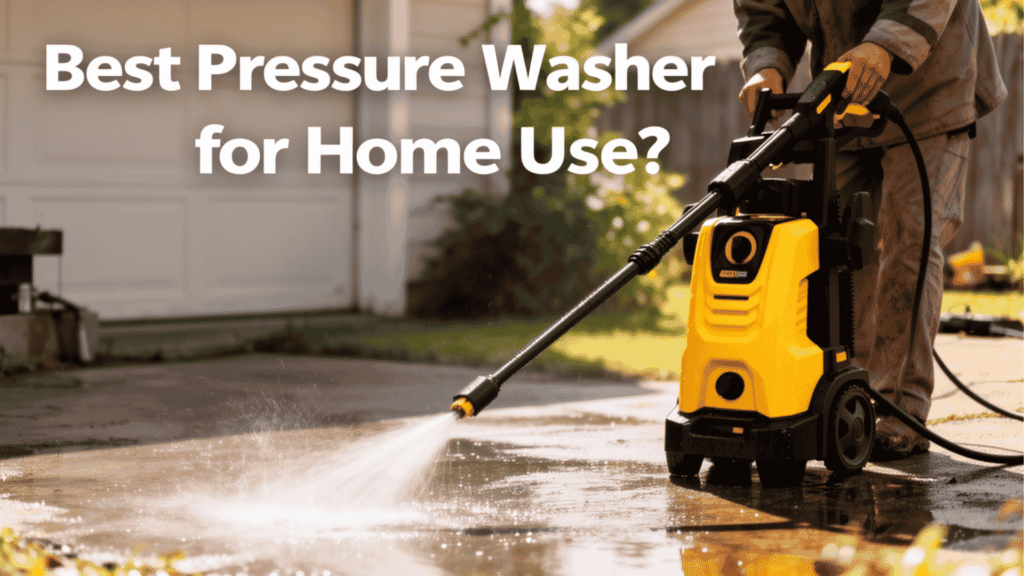
Pressure washers are a simple way to clean patios, driveways, cars, and fences. Choosing the right one saves time, effort, and money. “Best” doesn’t mean the most expensive—it depends on your power needs, budget, and the types of jobs you plan to do. Understanding different models, pressure levels, and attachments helps you pick the right pressure washer for your home.
What “Best” Really Means
The “best” pressure washer is one that fits your power requirements, budget, and usage type.
- Power: How tough the cleaning jobs are.
- Budget: Prices vary from $100 to over $1,000.
- Usage type: Occasional car wash, medium patio cleaning, or heavy driveway tasks.
Choosing the right model prevents buying too little or too much machine for your needs.
Why Choosing the Right Model Matters
A pressure washer that is too weak may take hours to finish a job. Too powerful, and you risk damaging surfaces like wood, paint, or concrete. The right model makes cleaning easier, safer, and more efficient.
Types of Pressure Washers
Electric
- Powered by electricity, lightweight, quieter, and low maintenance.
- Best for small to medium jobs like cars, patios, and garden furniture.
- Limited PSI and water flow compared to petrol models.
Petrol (Gas-Powered)
- Uses gasoline, more powerful and portable without needing an outlet.
- Best for medium to heavy-duty jobs like driveways, fences, or large properties.
- Heavier, louder, and requires more maintenance.
Key Buying Factors
PSI (Pressure Level)
PSI measures cleaning power. Higher PSI removes stubborn dirt and stains faster.
- Small jobs: 1,200–2,000 PSI
- Medium jobs: 2,000–3,000 PSI
- Heavy-duty: 3,000+ PSI
GPM (Water Flow)
GPM (gallons per minute) determines how much water flows through the nozzle. Higher GPM cleans faster.
- Small jobs: 1–1.5 GPM
- Medium jobs: 1.5–2.5 GPM
- Heavy-duty: 2.5+ GPM
Portability
Consider weight, wheels, and handle design. Electric washers are usually lighter. Gas models may need two people to move around easily.
Attachments and Nozzles
Nozzles allow different spray angles: 0°, 15°, 25°, 40°, or soap application. Accessories like surface cleaners or turbo nozzles improve efficiency.
Best for Small Jobs (Patios, Cars)
- Electric pressure washer
- 1,200–2,000 PSI
- 1–1.5 GPM
- Light, portable, easy to store
Ideal for washing cars, garden furniture, patios, and small decks.
Best for Medium Jobs (Driveways, Fences)
- Gas or high-end electric models
- 2,000–3,000 PSI
- 1.5–2.5 GPM
- Good mobility and accessories included
Suitable for cleaning driveways, fences, siding, and medium-sized patios.
Best for Heavy-Duty Jobs
- Gas-powered washer
- 3,000+ PSI
- 2.5+ GPM
- Durable, high performance
Used for large driveways, garages, heavy moss removal, or professional-level tasks.
Quick Comparison Table
| Type | PSI | Price Range | Best Use |
|---|---|---|---|
| Electric (small) | 1,200–2,000 | $100–$250 | Cars, patios, small decks |
| Electric/Gas (medium) | 2,000–3,000 | $250–$600 | Driveways, fences, siding |
| Gas (heavy-duty) | 3,000+ | $600–$1,200+ | Large driveways, commercial tasks |
Final Recommendation by User Type
- Occasional user: Small electric model, lightweight, easy storage, perfect for cars or patio furniture.
- Regular homeowner: Medium-duty electric or gas washer for driveways, fences, and siding.
- Large property owner: Heavy-duty gas washer for large driveways, garages, and frequent cleaning jobs.
FAQ Section
How much PSI do I need?
- Cars/patio: 1,200–2,000 PSI
- Driveways/fences: 2,000–3,000 PSI
- Heavy-duty: 3,000+ PSI
Are electric models powerful enough?
Yes, for small to medium jobs like cars, patios, and garden furniture. For larger driveways or heavy-duty jobs, gas models provide higher pressure and faster cleaning.
Choosing the right pressure washer depends on your cleaning needs, frequency, and surface types. Electric models suit small, occasional jobs, while gas-powered washers are better for medium to heavy-duty cleaning. Understanding PSI, GPM, portability, and attachments ensures you pick the right tool for safe, efficient, and effective cleaning.