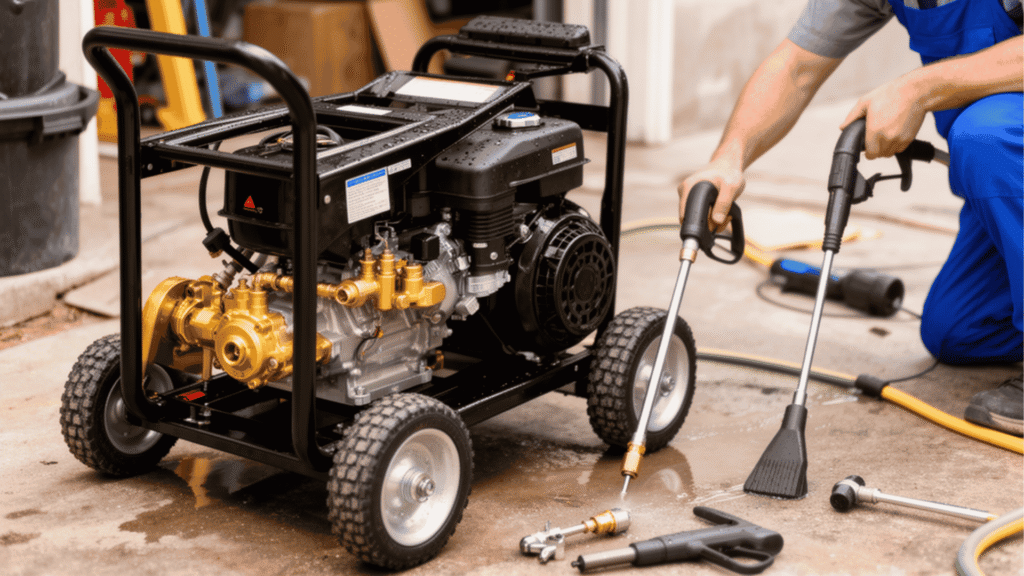
A pressure washer is a powerful and versatile cleaning tool, but like any machine, it requires proper maintenance to function efficiently and last longer. Regular care helps prevent breakdowns, maintains cleaning performance, and avoids costly repairs. Whether you have an electric or petrol (gas-powered) model, following a structured maintenance routine ensures your pressure washer is ready whenever you need it. This guide covers essential maintenance practices after each use, monthly checks, seasonal tasks, storage tips, and warning signs that indicate servicing is needed.
Why Maintenance Matters
Pressure washers operate under high pressure, which puts stress on pumps, hoses, and nozzles. Dirt, debris, and water contaminants can also cause damage over time. Proper maintenance ensures:
- Consistent cleaning performance: A well-maintained washer delivers consistent pressure and flow.
- Longer equipment lifespan: Regular care reduces wear and tear on critical components.
- Prevention of damage: Hoses, pumps, and engines can fail if ignored.
- Cost savings: Preventing issues early avoids expensive repairs or replacements.
Maintenance is especially important for petrol washers because they have more moving parts, including engines and pumps that require oil and fuel care.
After Each Use
Some maintenance tasks should be done immediately after each use to prevent buildup or damage.
Flush System
After using the pressure washer, flush the system with clean water. This removes detergents, dirt, and debris from the pump, hoses, and nozzles. For models that use soap, run plain water through the system until all cleaning solution is gone. Flushing prevents clogging, corrosion, and residue buildup.
Check Hoses
Inspect hoses for cracks, leaks, or bulges. Even minor damage can reduce pressure and risk hose bursts during operation. Ensure all connections are tight. Replace any worn or damaged hoses immediately to maintain safety.
Monthly Maintenance
In addition to post-use care, some tasks should be done on a monthly basis to keep your pressure washer in top condition.
Inspect Filters
Check water inlet filters for debris, sediment, or mineral buildup. Dirty filters restrict water flow and reduce cleaning efficiency. Rinse filters under clean water or replace them if heavily clogged.
Check Connections
Inspect all connections, including couplers, spray guns, and nozzles. Tighten any loose fittings and replace damaged parts. Properly secured connections prevent leaks, reduce pressure loss, and protect the pump.
Seasonal Maintenance
Some maintenance tasks are best done seasonally, especially for petrol pressure washers or before long-term storage.
Pump Oil (Petrol Models)
Check the pump oil level for gas-powered washers. Some pumps have a dipstick or sight glass. Change the oil according to the manufacturer’s instructions, typically after the first 5 hours of use and then every 50 hours or annually. Proper lubrication prevents pump wear and overheating.
Winterizing
If you live in a cold climate, winterize your pressure washer before storage. Residual water can freeze and crack pumps, hoses, or fittings. Steps include:
- Flush with antifreeze or pump saver solution to protect internal components.
- Drain all water from hoses, wand, and pump.
- Store indoors in a dry, frost-free location.
Winterizing protects the pressure washer from freeze damage, which can be costly to repair.
Storage Tips
Proper storage prolongs the life of your pressure washer.
- Store in a clean, dry, and cool area. Avoid leaving it outdoors.
- Keep hoses coiled and off the floor to prevent kinks.
- Detach and clean nozzles before storage.
- Cover the unit to protect it from dust and debris.
Following these storage tips reduces wear and tear and keeps the washer ready for the next use.
Signs It Needs Servicing
Even with regular maintenance, some issues require professional servicing. Watch for these signs:
- Reduced pressure: Indicates pump or hose problems.
- Unusual noises: Grinding, knocking, or rattling sounds from the pump or engine may indicate internal wear.
- Leaks: Water or oil leaks from pumps, hoses, or fittings signal worn seals or gaskets.
- Inconsistent flow: Fluctuating pressure or sputtering water can indicate clogs or damaged components.
Addressing these signs early prevents further damage and ensures the pressure washer continues performing effectively.
Conclusion
Maintaining a pressure washer is not difficult but requires consistent attention. After each use, flush the system and inspect hoses. Monthly checks of filters and connections help maintain performance. Seasonal maintenance, including pump oil changes and winterizing, protects the machine during long-term storage. Proper storage in a clean, dry location further prolongs life. Finally, be aware of warning signs that indicate servicing is required. Following these steps ensures your pressure washer remains reliable, efficient, and safe, ready for every cleaning task. Proper maintenance ultimately saves time, money, and effort in the long run.