Starting a lawn care business or maintaining your own yard requires the right tools. Proper equipment saves time, improves results, and keeps work safe. Beginners often wonder what is essential versus optional, and whether buying used tools is worth it. This guide highlights the top 10 lawn care tools every beginner needs, along with tips on choosing between new and used equipment and essential safety gear.
1. Lawn Mower
The lawn mower is the cornerstone of lawn care. Beginners can choose between:
- Push reel mowers: Lightweight, quiet, and eco-friendly. Best for small lawns.
- Gas or electric rotary mowers: Suitable for medium to large yards; offer faster mowing.
- Ride-on or zero-turn mowers: Overkill for small yards but efficient for larger properties.
New vs. used: Used mowers are fine if blades and engine are in good condition. Always check for rust, leaks, or worn belts.
2. String Trimmer / Weed Eater
String trimmers clean edges, corners, and areas the mower cannot reach.
- Gas trimmers: More power for large or thick grassy areas.
- Electric trimmers: Quieter, lighter, and lower maintenance.
- Battery-powered trimmers: Cordless convenience but limited runtime.
Proper string replacement and maintenance extend the life of the trimmer.
3. Leaf Blower
Blowers remove leaves, grass clippings, and debris efficiently.
- Gas blowers: Stronger, for large properties.
- Electric or battery blowers: Ideal for small yards; quieter and easier to store.
Blowers reduce cleanup time and prevent debris buildup that can damage the lawn.
4. Hedge Trimmers
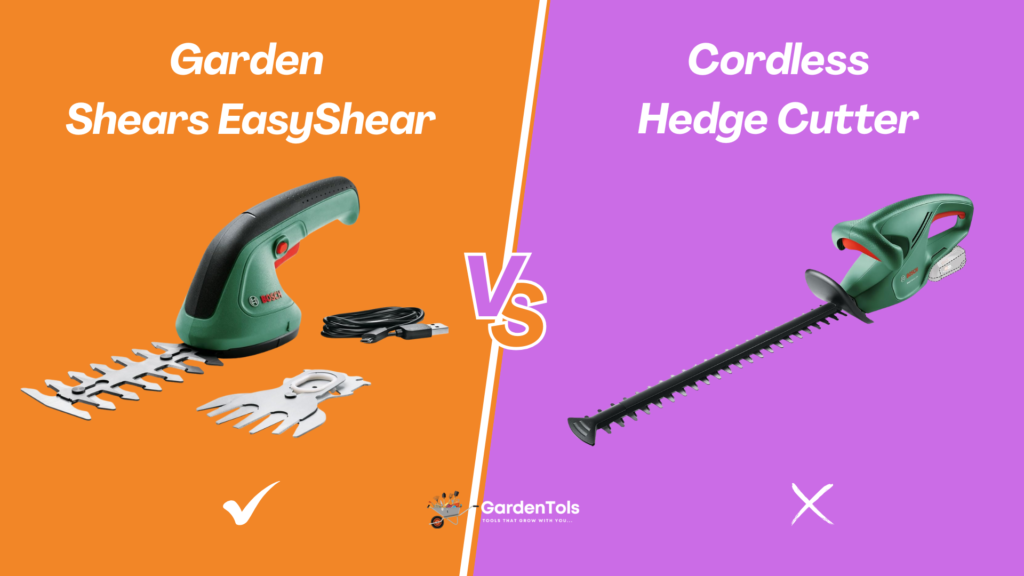
Hedge trimmers keep shrubs and bushes neat.
- Electric or battery models are usually enough for beginners.
- Gas models offer more power for larger properties.
Safety tip: Wear gloves and eye protection; avoid cutting near wiring or delicate plants.
5. Lawn Aerator
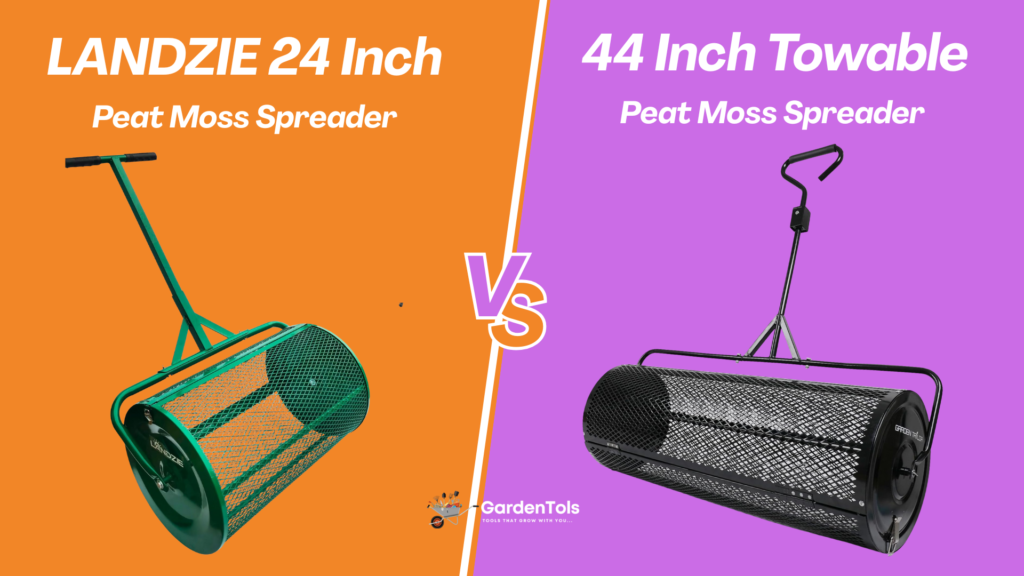
Aerating improves soil health, promotes strong root growth, and prevents compaction.
- Manual spike aerators are inexpensive for small yards.
- Rolling or powered aerators are faster for larger areas.
Regular aeration ensures grass absorbs nutrients and water effectively.
6. Fertilizer Spreader
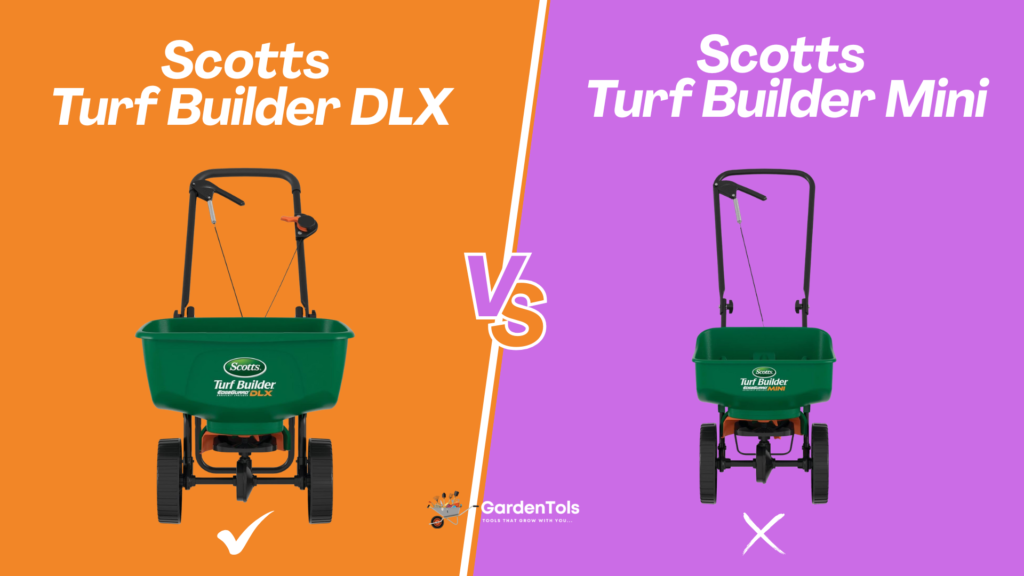
Even application of fertilizer and seeds is essential.
- Push spreaders are inexpensive and ideal for small lawns.
- Tow-behind or handheld spreaders help with larger areas.
Proper calibration ensures plants receive the right amount without overfeeding.
7. Garden Rake & Leaf Rake
Rakes are simple but essential:
- Leaf rakes collect leaves and debris without damaging grass.
- Garden rakes help level soil, spread mulch, and prepare beds.
Durable, lightweight rakes reduce hand fatigue during long jobs.
8. Pruning Shears
Hand pruners are needed for precision work:
- Trim small branches and shape plants.
- Keep blades sharp for clean cuts.
- Safety tip: Use a sheath or protective cover when not in use.
Pruning shears are inexpensive but indispensable for a professional look.
9. Safety Gear
Working with lawn equipment can be dangerous without protection. Essential safety gear includes:
- Gloves: Protect hands from cuts and chemicals.
- Safety glasses or goggles: Prevent debris from injuring eyes.
- Ear protection: Necessary for loud equipment like blowers or gas mowers.
- Sturdy footwear: Closed-toe shoes or boots reduce slips and foot injuries.
- Long sleeves and pants: Protect skin from sun, plants, and flying debris.
Investing in proper safety gear reduces accidents and keeps you working longer.
10. Garden Hose & Sprayer
Watering is crucial for lawn health and equipment cleaning.
- Durable garden hose: Essential for washing tools and irrigating small areas.
- Spray nozzle: Adjustable settings help control pressure for different tasks.
A good hose prevents kinks, leaks, and saves time during irrigation or cleanup.
Tips: New vs. Used Equipment
- New tools: Warranty, longer lifespan, latest features, reliable performance.
- Used tools: Cost-effective, may require maintenance or replacement parts.
- Inspect before buying: Check engines, blades, belts, hoses, and safety mechanisms.
- Consider resale value: Some brands hold value better than others if you plan to upgrade later.
Starting with a mix of new and used equipment is often the best strategy for beginners on a budget.
Conclusion
Every beginner in lawn care needs the right tools to work efficiently, safely, and professionally. The top 10 essential tools are:
- Lawn mower
- String trimmer
- Leaf blower
- Hedge trimmer
- Lawn aerator
- Fertilizer spreader
- Garden rake
- Pruning shears
- Safety gear
- Garden hose and sprayer
Choosing the right balance between new and used equipment, investing in safety gear, and maintaining your tools ensures long-lasting performance. With these essentials, you’ll be well-prepared to keep lawns healthy, neat, and beautiful while saving time and effort.
FAQ
Can I start with only a few tools?
Yes. Begin with a mower, trimmer, and blower for basic jobs, then gradually add aerators, spreaders, and pruning tools.
Do I need battery or gas equipment?
Gas offers power for larger yards; battery/electric is lighter, quieter, and easier to maintain for small to medium yards.
Is safety gear necessary for beginners?
Absolutely. Even small machines can cause injuries if proper protection isn’t worn.