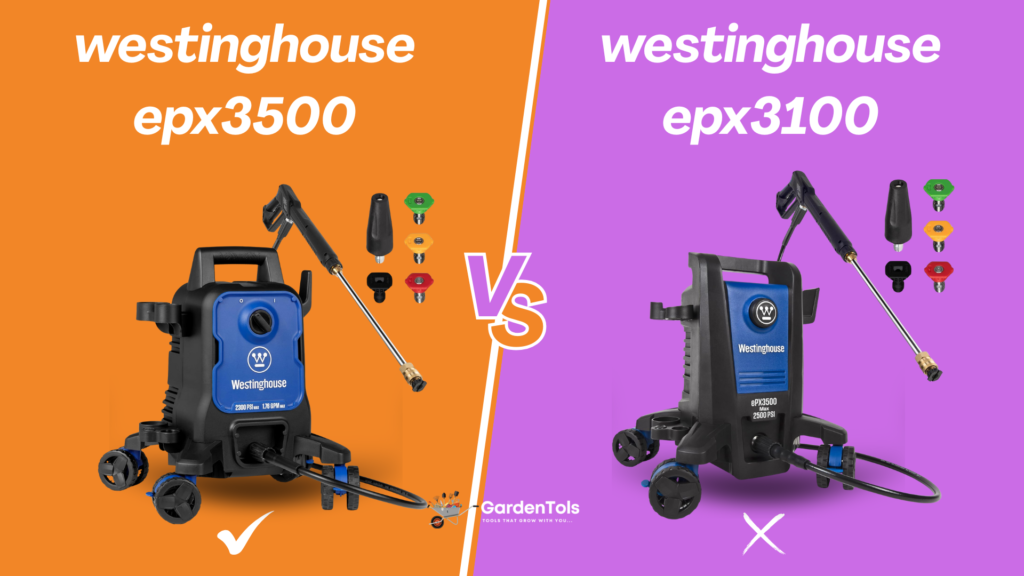
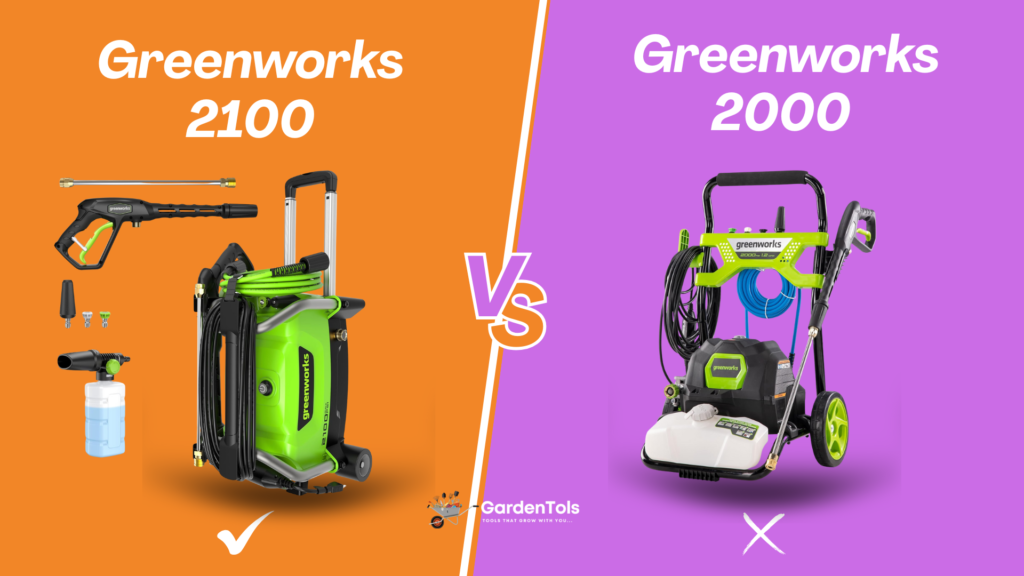
Pressure washers are powerful tools that make outdoor cleaning faster and more efficient. From washing driveways and patios to cleaning cars and fences, they save time and effort. However, improper use can lead to injuries, property damage, or electrical hazards. Understanding safety precautions is essential for every homeowner. This guide covers personal protection, safe operation, surface care, and tips to keep children and pets out of harm’s way.
Personal Protective Equipment
Safety starts with personal protection. Pressure washers can spray water at over 2,000 PSI, which can cut skin or damage eyes. Always wear:
- Gloves: Protect hands from high-pressure water and cleaning chemicals.
- Eye protection: Safety goggles prevent debris, dirt, or water spray from hitting your eyes.
- Sturdy footwear: Closed-toe shoes or boots reduce the risk of slipping or injury.
- Long sleeves and pants: Protect skin from accidental contact with high-pressure water.
Proper PPE ensures you stay safe during every cleaning session.
Electrical Safety Tips
Electric pressure washers are convenient but carry risks if used improperly:
- Check cords and plugs for damage before use.
- Avoid standing water near the plug or outlet.
- Use a GFCI outlet to prevent electric shock.
- Keep cords away from the spray to avoid cutting or spraying water directly on them.
If using an extension cord, ensure it is rated for outdoor use and matches the washer’s power requirements.
Safe Distances and Angles
Maintaining the correct distance and spray angle prevents injuries and surface damage:
- Cars and delicate surfaces: Keep the wand 12–18 inches away and use a wide-angle nozzle.
- Driveways or concrete: 6–12 inches is sufficient for effective cleaning.
- Angle the spray slightly downward rather than straight at yourself or fragile surfaces.
Always start at a lower pressure setting and test a small area before full-scale cleaning.
Pressure Washer Do’s
- Do read the manual before first use.
- Do check hoses, nozzles, and connections for leaks or wear.
- Do start with low pressure and gradually increase as needed.
- Do use the appropriate nozzle for the surface type.
- Do clean in sections, moving the wand evenly across surfaces.
Following these do’s ensures safe and effective cleaning.
Pressure Washer Don’ts
- Don’t point the spray at people, pets, or yourself.
- Don’t use a gas washer indoors due to carbon monoxide hazards.
- Don’t use higher PSI than recommended for delicate surfaces.
- Don’t run the washer without water — it can damage the pump.
- Don’t use worn or damaged hoses to avoid leaks and sudden bursts.
Avoiding these mistakes prevents accidents and costly repairs.
Surface Safety (Wood, Paint, Glass)
Different surfaces require care to prevent damage:
- Wood: Use low PSI and a wide-angle nozzle to avoid splintering.
- Painted surfaces: Low pressure prevents peeling or chipping.
- Glass: Keep the wand at least 12–18 inches away, use low PSI, and avoid concentrated spray.
- Concrete/stone: High PSI is safe but maintain proper distance to avoid etching softer materials.
Always test a small hidden area before full cleaning.
Kids & Pets Safety
Children and pets should be kept away during operation:
- Designate a safe perimeter around the cleaning area.
- Never allow children to hold the wand.
- Inform family members to stay indoors or away from splash zones.
- Consider using barriers or cones to clearly mark the work area.
Keeping the area clear reduces the risk of injury from high-pressure spray or slipping.
Winter & Storage Safety
Proper storage keeps your pressure washer in good condition and prevents accidents:
- Drain water from hoses and pumps to avoid freezing damage.
- Store in a dry, sheltered area away from children and pets.
- Disconnect power cords and remove any detergent.
- Perform winter maintenance if storing for months, including cleaning filters and inspecting hoses.
Correct storage prevents pump damage, electrical hazards, and accidental activation.
FAQ
Can I use a pressure washer on all surfaces?
Most surfaces are safe with proper PSI and nozzle choice. Avoid delicate materials with high-pressure settings. Always test a small area first.
How close can I get to a surface?
Distance depends on PSI and surface type: cars and painted surfaces require 12–18 inches, while concrete can be 6–12 inches.
Are electric pressure washers safer than gas?
Electric models are safer near water and easier to manage but still require PPE and proper precautions. Gas washers pose additional risks due to fumes and higher power.
Can children be present while washing?
No. Keep children and pets at a safe distance until cleaning is complete and equipment is stored.
Conclusion
Using a pressure washer at home is safe and effective when proper precautions are taken. Wearing protective gear, maintaining electrical safety, using correct distances and angles, and following do’s and don’ts ensures effective cleaning without injuries or property damage. Understanding surface-specific care and keeping children and pets away further increases safety. Finally, proper storage and winterization maintain the washer’s performance for years. With these guidelines, homeowners can confidently and safely enjoy the efficiency and convenience of a pressure washer.