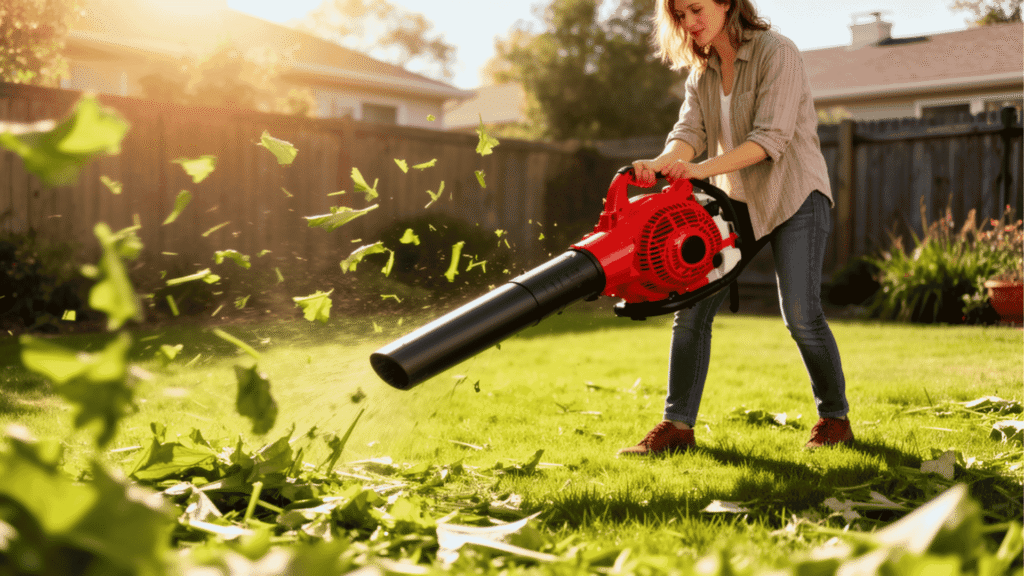
Yes — you can use a leaf blower for grass clippings, especially when they are dry and lightly scattered across your lawn or driveway. In fact, many homeowners use their leaf blower not only in autumn for leaves, but also throughout the mowing season to tidy up after cutting the grass.
However, like most garden tools, it works best under the right conditions. Let’s explore when using a leaf blower for grass clippings makes sense — and when it doesn’t.
When Using a Leaf Blower Works Best
A leaf blower can be very effective for clearing grass clippings if certain conditions are met.
1️⃣ Clippings Are Light and Scattered
If your mower leaves behind a thin layer of clippings or small bits of grass along:
- Driveways
- Sidewalks
- Patios
- Lawn edges
A leaf blower can quickly gather and push them into a pile for disposal.
This is especially helpful when trimming lawn edges where grass often spills onto hard surfaces.
2️⃣ The Lawn Is Dry
Dry conditions make a big difference.
When grass clippings are dry:
- They are lighter
- They separate easily
- They move quickly with airflow
Under these conditions, even a standard cordless blower can clear debris efficiently in just a few minutes.
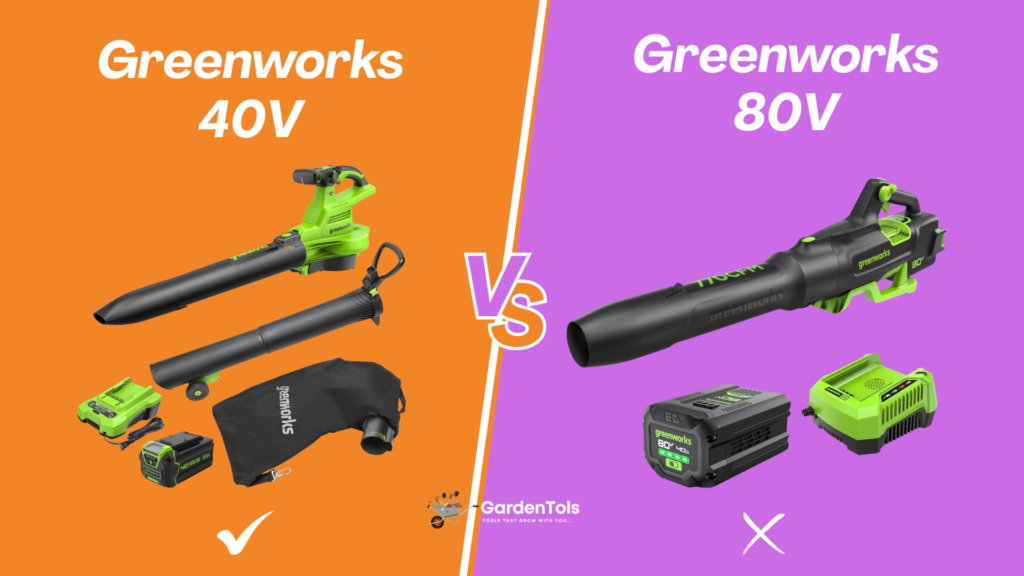
Battery-powered models from brands like Ryobi, Makita, and Bosch are typically more than powerful enough for this task.
Why a Leaf Blower Is Convenient for Grass Clippings
Using a leaf blower for grass clippings offers several benefits:
✔ Fast Cleanup
Instead of sweeping with a broom, you can clear surfaces in a fraction of the time.
✔ Easy Edge Maintenance
After mowing, you can quickly tidy up borders and corners.
✔ Multi-Purpose Tool
If you already own a blower for leaves, there’s no need for additional equipment.
For homeowners who mow regularly, this added convenience makes a leaf blower even more useful year-round — not just during autumn.
When It’s Not Ideal
While leaf blowers are versatile, they’re not perfect for every situation.
1️⃣ Clippings Are Wet
Wet grass clippings are heavier and tend to clump together. When damp:
- They stick to the lawn
- They cling to driveways
- They require much stronger airflow to move
Even high-powered cordless blowers may struggle with thick, wet clumps.
If you’ve mowed in damp conditions, it’s often better to let the grass dry before attempting to clear it with a blower.
2️⃣ Thick Piles of Clippings
If your mower leaves behind large piles of grass — often caused by cutting very long grass — a leaf blower may not be the best solution.
Thick clumps can:
- Scatter unevenly
- Leave debris behind
- Take longer to move
In these cases, using a mower with a collection bag is usually more efficient.
Is It Safe for Your Lawn?
Using a leaf blower on your lawn is generally safe when done properly.
However, keep these tips in mind:
- Avoid blasting one area repeatedly at high power.
- Use moderate airflow to prevent damaging grass blades.
- Don’t blow clippings into flower beds unless intended.
If you plan to mulch clippings back into the lawn for nutrients, blowing them off the grass may not be necessary.
Better Alternatives for Heavy Clippings
If you frequently deal with large volumes of grass, consider:
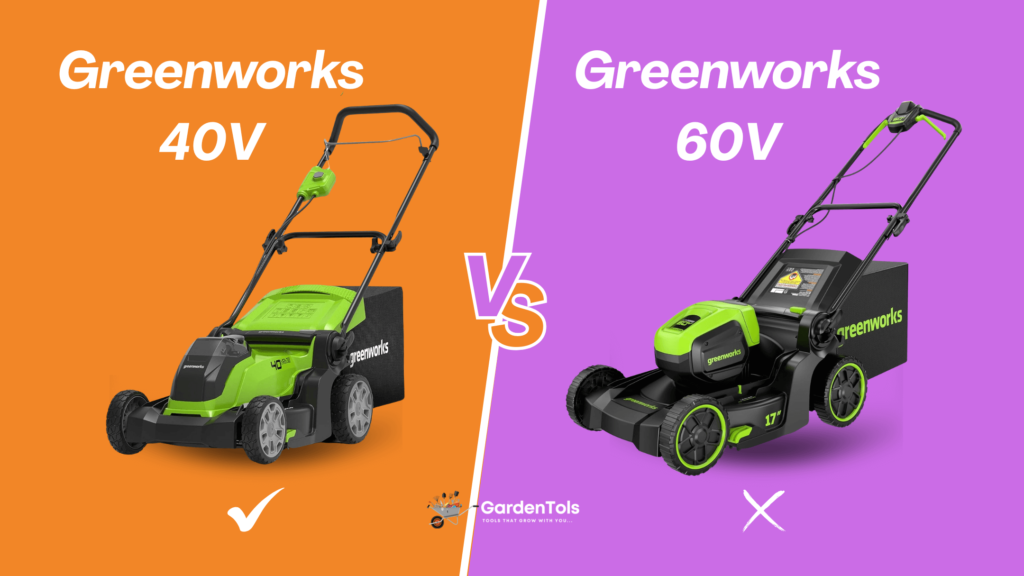
✔ Mower with Collection Bag
Collects clippings directly, reducing cleanup.
✔ Mulching Mower
Finely chops clippings and redistributes them as natural fertilizer.
✔ Lawn Sweeper
Useful for larger properties.
For heavy clippings, a mower with a collection bag is often the best option because it prevents buildup and saves time.
Power Requirements
For clearing dry grass clippings, you don’t need extreme power.
- 18V cordless blowers work well for light tasks.
- 36V models provide stronger airflow for larger areas.
The key is airflow (CFM) rather than raw voltage alone.
Practical Tips for Best Results
To get the most out of your leaf blower when clearing grass clippings:
- Mow when the lawn is dry.
- Avoid cutting excessively long grass in one go.
- Use controlled sweeping motions rather than pointing airflow directly downward.
- Gather clippings into one pile for easier disposal.
These small adjustments make cleanup quicker and more efficient.
Final Verdict
Yes — you can use a leaf blower for grass clippings, especially when:
- Clippings are light
- The lawn is dry
- Debris is scattered rather than piled
It’s a fast and convenient way to tidy up after mowing, particularly on hard surfaces like driveways and patios.
However, for wet grass or thick piles of clippings, a mower with a collection bag or mulching function is usually the better solution.
If you already own a leaf blower, using it for grass clippings simply increases its value as a versatile, year-round garden tool.