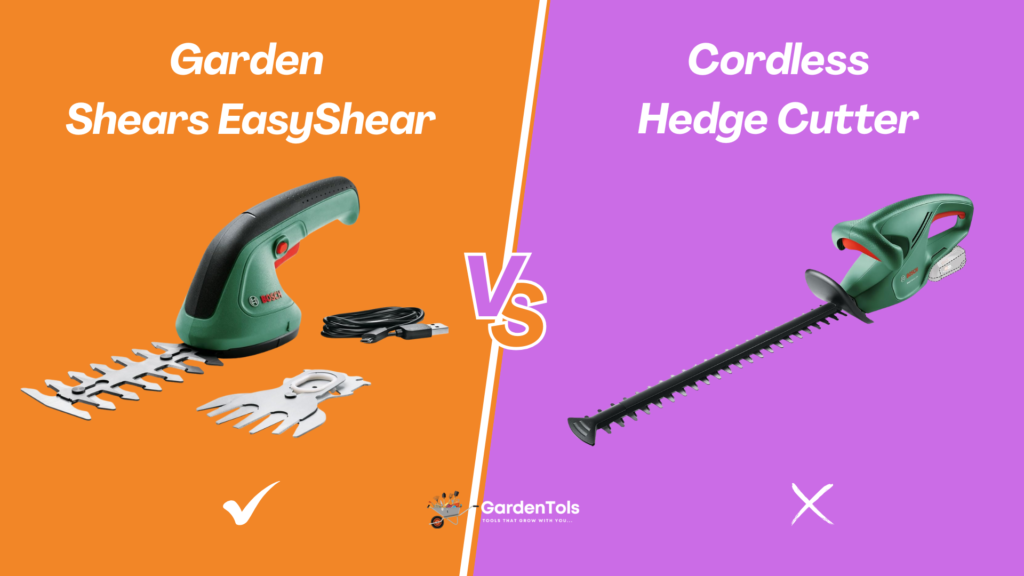
Hedge trimmers and chainsaws are powerful tools that make garden maintenance easier and more efficient. However, they can also be dangerous if used incorrectly. Every gardener, whether beginner or experienced, should follow proper safety practices to avoid injuries and ensure smooth operation. Here are eight essential safety tips for using hedge trimmers and chainsaws safely.
1. Wear Personal Protective Equipment (PPE)
Protective gear is your first line of defense when working with cutting tools:
- Eye protection: Safety goggles or a full face shield prevent debris, wood chips, or leaves from hitting your eyes.
- Gloves: Cut-resistant gloves protect hands from accidental contact with blades.
- Hearing protection: Chainsaws and electric hedge trimmers can be loud; use earplugs or earmuffs.
- Footwear: Sturdy, non-slip boots or shoes prevent slips and protect feet.
- Long sleeves and pants: Protect your arms and legs from scratches and flying debris.
Always wear the right PPE before starting any trimming or cutting task.
2. Inspect Your Equipment Before Use
Before using a hedge trimmer or chainsaw, check that it is in good working condition:
- Blades: Ensure they are sharp and free from damage. Dull or damaged blades can bind or kick back.
- Safety features: Check chain brakes, guards, and safety switches on chainsaws.
- Fuel and batteries: For gas-powered tools, check fuel levels; for battery-powered tools, ensure batteries are fully charged and secure.
- Loose parts: Tighten any screws, handles, or attachments before starting.
A thorough inspection reduces the risk of malfunction or accidents.
3. Maintain Proper Grip and Posture
Correct handling reduces fatigue and increases control:
- Two hands on the tool: Always hold hedge trimmers and chainsaws with both hands.
- Balanced stance: Keep feet shoulder-width apart and maintain stable footing. Avoid awkward stretches or standing on ladders whenever possible.
- Keep body away from blades: Always position the tool so the cutting edge is moving away from your body.
Good posture and grip help prevent slips, jerks, and accidental contact with the blade.
4. Follow Safe Cutting Techniques
Using proper cutting techniques minimizes risk:
- Hedge trimmers: Move the trimmer in smooth, controlled strokes. Avoid forcing the blade through thick branches.
- Chainsaws: Cut at waist height whenever possible. Use the lower part of the chain for horizontal cuts and avoid cutting above shoulder level.
- Avoid kickback zones: On chainsaws, watch out for the upper tip of the guide bar, which can cause the saw to kick back.
- Plan cuts carefully: Always assess the branch or hedge before cutting to prevent unexpected snapping.
Proper technique ensures clean cuts and reduces accidents.
5. Be Mindful of Your Surroundings
Awareness of your environment is critical when working with sharp tools:
- Check for obstacles: Remove rocks, wires, or debris that may interfere with the tool.
- Keep people and pets away: Maintain a safe distance from bystanders—at least 10–15 feet for chainsaws.
- Beware of power lines and structures: Avoid trimming near electrical wires or delicate garden structures.
- Watch overhead hazards: Falling branches can cause serious injuries.
Always scan the area and clear any potential hazards before starting.
6. Use Proper Storage and Transport Practices
Safe storage prevents accidents when tools are not in use:
- Blade covers: Always cover blades on hedge trimmers and chainsaws after use.
- Dry, secure storage: Keep tools in a dry area, out of reach of children and pets.
- Chainsaw chain maintenance: Loosen the chain when storing to reduce tension.
- Battery storage: For battery-powered tools, store batteries separately and avoid extreme heat.
Proper storage keeps your tools safe and prolongs their lifespan.
7. Maintain Your Tools Regularly
Regular maintenance prevents malfunctions and accidents:
- Sharpen blades: Dull blades increase the effort required and can cause slipping.
- Lubricate chains and moving parts: Proper lubrication prevents overheating and wear.
- Clean after use: Remove sap, dirt, and debris from blades and housings.
- Inspect for wear and tear: Replace worn chains, cords, or safety guards promptly.
A well-maintained tool is safer and more efficient to operate.
8. Know Your Limits
Even experienced gardeners should recognize their limits:
- Avoid fatigue: Take breaks when working for extended periods. Tiredness increases the chance of mistakes.
- Ask for help: For large trees or thick hedges, get assistance or hire a professional.
- Training matters: Beginners should practice on small hedges or branches before attempting larger tasks.
Understanding your limits ensures safety and prevents accidents caused by overconfidence.
Additional Safety Tips
- Avoid alcohol or drugs: Never operate cutting tools under the influence.
- Emergency readiness: Keep a first-aid kit nearby and know emergency contact numbers.
- Read manuals: Always follow the manufacturer’s instructions for use, maintenance, and safety.
- Weather considerations: Avoid trimming or cutting in wet or windy conditions to prevent slips.
Even small precautions can prevent serious injuries.
FAQ
Can children be nearby while trimming?
No. Keep children and pets at a safe distance—at least 10–15 feet away from active cutting areas.
How often should chainsaws and hedge trimmers be serviced?
Inspect before each use, sharpen blades regularly, and perform detailed maintenance at least once per season.
What should I do if the tool jams?
Turn off the tool completely, wait for blades to stop, and then clear debris using a stick or tool—not your hands.
Are battery-powered trimmers safer than gas-powered ones?
They are generally lighter and quieter, which reduces fatigue and hearing damage, but proper PPE and technique are still essential.
Conclusion
Hedge trimmers and chainsaws are powerful garden tools, but they can be dangerous if used incorrectly. Following these eight safety tips—wearing PPE, inspecting equipment, maintaining proper posture, using correct cutting techniques, monitoring your surroundings, storing tools safely, performing regular maintenance, and knowing your limits—can prevent injuries and make gardening safer. Consistent attention to safety not only protects you but also ensures your tools last longer and work more efficiently, keeping your garden well-maintained without unnecessary risks.