Garden maintenance requires the right tools for the job. Homeowners often face a choice between multi-tools, which combine several functions into one device, and single-function tools, designed for a specific purpose. Each option has its advantages and drawbacks. Understanding the differences can help you choose the best tools for your garden’s size, complexity, and your personal needs. Here are seven key differences to consider.
1. Versatility
Multi-tools combine multiple functions—such as trimming, edging, blowing, and hedge cutting—into a single device.
- Advantages: One tool can handle multiple tasks without the need to purchase separate equipment.
- Best for small gardens: Perfect for homeowners with limited storage who need to perform light-to-moderate maintenance.
Single-function tools focus on one task, like a dedicated lawn mower, leaf blower, or hedge trimmer.
- Advantages: Typically more powerful and efficient at the task they are designed for.
- Best for large gardens: If you have extensive lawns or specialized tasks, single-function tools can handle them more effectively.
2. Cost
Multi-tools tend to have a higher upfront price compared to a basic single-function tool but replace several individual devices.
- Pros: One purchase can cover multiple tasks, reducing long-term spending.
- Cons: More expensive than budget single-function tools and may require additional attachments.
Single-function tools often have a lower initial cost if you only need one specific function, but buying multiple devices for different tasks can be more expensive overall.
3. Efficiency
Efficiency varies depending on the task.
- Multi-tools: Ideal for quick, light tasks. Swapping attachments can be slower, and performance may not match a dedicated tool for heavy jobs.
- Single-function tools: Designed for their specific purpose, providing faster, more powerful, and consistent results. For example, a dedicated hedge trimmer cuts larger branches more efficiently than a multi-tool attachment.
Choosing the right tool depends on whether your priority is versatility or maximum performance.
4. Maintenance
Maintenance differs significantly between the two types.
- Multi-tools: Require care for multiple attachments and connection points. Batteries may be shared across functions but can wear out faster due to diverse usage.
- Single-function tools: Simpler maintenance focused on one type of machinery—sharpen blades, clean filters, or lubricate moving parts.
Beginners often find single-function tools easier to maintain, while multi-tools are better suited for gardeners who are comfortable managing attachments.
5. Storage and Portability
Multi-tools save space because they consolidate multiple functions into a single base unit.
- Pros: Compact storage, fewer batteries, less clutter.
- Cons: Still require storage for attachments and accessories.
Single-function tools require more storage space as each tool is separate. Larger tools like mowers and blowers may need dedicated storage areas.
For gardeners with limited sheds or garages, multi-tools are often the preferred choice.
6. Suitability for Different Garden Sizes
Garden size greatly affects which type of tool is more practical:
- Small gardens: Multi-tools excel due to their compactness, versatility, and ability to handle all basic maintenance tasks efficiently.
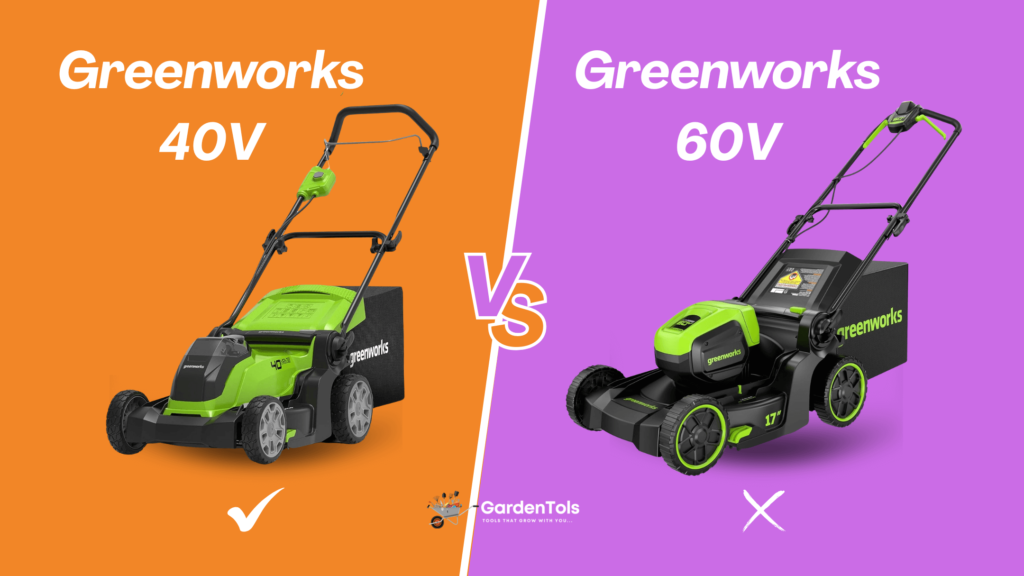
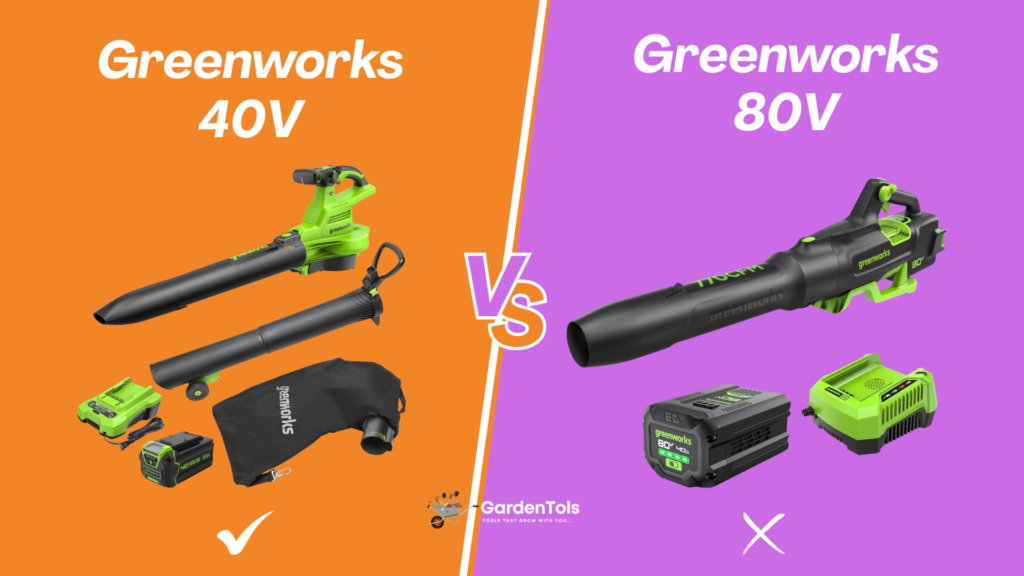
- Medium to large gardens: Single-function tools often outperform multi-tools for specialized tasks. A powerful cordless mower or high-capacity leaf blower can cover large areas faster than a smaller multi-tool attachment.
Choosing tools according to garden size ensures maintenance is manageable and time-efficient.
7. Longevity and Durability
Multi-tools are generally lighter and designed for intermittent use. Overloading them with heavy tasks can reduce lifespan.
Single-function tools are built for their intended purpose, often with more robust motors, thicker blades, and higher power capacity. They tend to last longer under frequent or heavy use.
- Tip: For daily or professional-level garden work, single-function tools may be more durable. For casual home gardeners, a well-maintained multi-tool is usually sufficient.
Additional Considerations
- Noise levels: Multi-tools are generally quieter due to lower power, making them suitable for residential areas.
- Battery compatibility: Some manufacturers allow the same battery to power multiple tools, saving cost and space.
- Skill level: Beginners may prefer multi-tools for their simplicity, while experienced gardeners might benefit from the precision of single-function tools.
FAQ
Can a multi-tool replace all single-function tools?
Not entirely. Multi-tools are best for light to moderate tasks. For heavy-duty jobs, specialized single-function tools are more effective.
Are multi-tools more expensive in the long run?
They can save money if you would otherwise need several separate tools, but replacement attachments may add cost.
Which is better for small gardens?
Multi-tools usually provide the best balance of versatility, storage, and convenience.
Which lasts longer?
Single-function tools often have a longer lifespan when used frequently or for heavy tasks.
Conclusion
Choosing between garden multi-tools and single-function tools depends on your garden size, budget, storage space, and maintenance needs.
Multi-tools are ideal for small gardens and beginners who want versatility, compact storage, and lower overall tool count. They handle multiple tasks but may not match the efficiency of dedicated tools for heavy-duty work.
Single-function tools excel in performance, durability, and speed for specialized or large-scale gardening. They require more storage and investment but deliver superior results for specific tasks.
By understanding these seven key differences—versatility, cost, efficiency, maintenance, storage, garden size suitability, and durability—you can make a smart choice that keeps your garden healthy, tidy, and enjoyable year-round.